(Image source from: Canva.com)
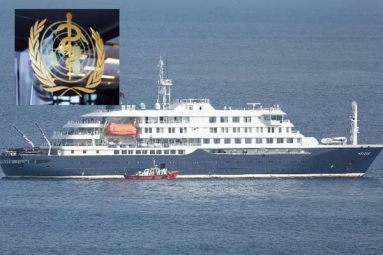
India's Union Health Ministry is keeping a close watch on a serious hantavirus outbreak on the cruise ship MV Hondius, after confirming that there are two Indian citizens on the ship traveling through the Atlantic. Both passengers show no symptoms and are being monitored according to global health guidelines, as reported by a senior official from the ministry on May 8, according to news agency ANI. The ministry is working with the World Health Organization (WHO), the National Centre for Disease Control, and the Integrated Disease Surveillance Programme (IDSP) to monitor the situation as it develops. As a safety step, the Public Health Emergency Operations Centre under IDSP held an important review meeting that included senior officials from IDSP and India's IHR National Focal Point, the group responsible for managing India's commitments under international health regulations, to evaluate the situation and prepare for what may come next.
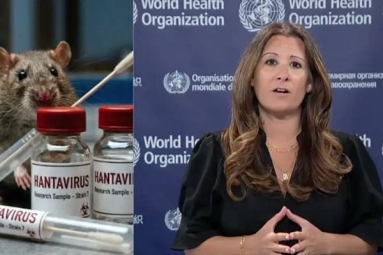
The WHO has reported that there have been eight cases on the MV Hondius thus far, which includes five confirmed infections and three fatalities. The hantavirus strain identified in this situation is the Andes strain, which is known to have a very limited ability to spread from one person to another, usually needing close and extended contact to do so. The WHO currently considers the global public health risk to be low, but has warned that more cases could arise due to the long incubation time, which is the period from infection until symptoms appear, associated with hantavirus. The WHO is leading the international response based on the International Health Regulations, enhancing diagnostic support, helping with epidemiological assessment, and ensuring safe exit and travel arrangements for all passengers and crew members.
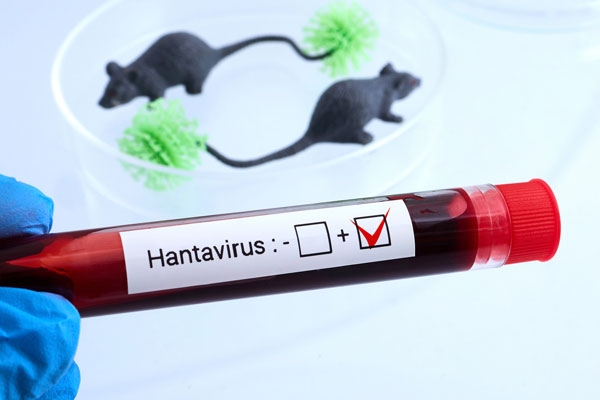
Hantavirus refers to a group of viruses carried by rodents. People usually get it by inhaling air that has been tainted by rodent droppings, urine, or saliva. The Andes strain is particularly unique because it is the only known hantavirus that can transmit between people, although this happens only in rare situations of ongoing close contact. Once the virus enters the body, it leads to Hantavirus Pulmonary Syndrome, a serious lung disease that starts with fever, tiredness, and muscle pain before quickly advancing to pneumonia and respiratory failure. There is currently no vaccine available and no specific treatment, only supportive care. The MV Hondius set sail from Ushuaia, Argentina, on April 1, 2026. Investigators believe the first case was a Dutch couple who had spent four months traveling in Argentina, Chile, and Uruguay for bird-watching, visiting regions where rodents infected with the Andes virus are commonly found. The husband passed away on board on April 11.
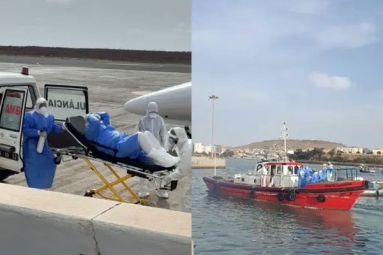
His wife was flown to South Africa, where she passed away on April 26. A third passenger, a German man, died on May 2. The MV Hondius is on its way to the Port of Granadilla in Tenerife, Spain, where a controlled exit for passengers is being organized. The WHO has sent an expert on the ship to perform a thorough medical check of all remaining passengers and crew members, and has provided 2,500 diagnostic kits to laboratories in five different countries. The Union Health Ministry has stated that it remains alert and is closely coordinating with the WHO and global partners, taking all necessary health safety steps proactively.